

10+ payment options in one portal











Failed and missed recurring payments cost growing businesses more than the transaction itself. Here is what that cost actually looks like, and how to reduce it.
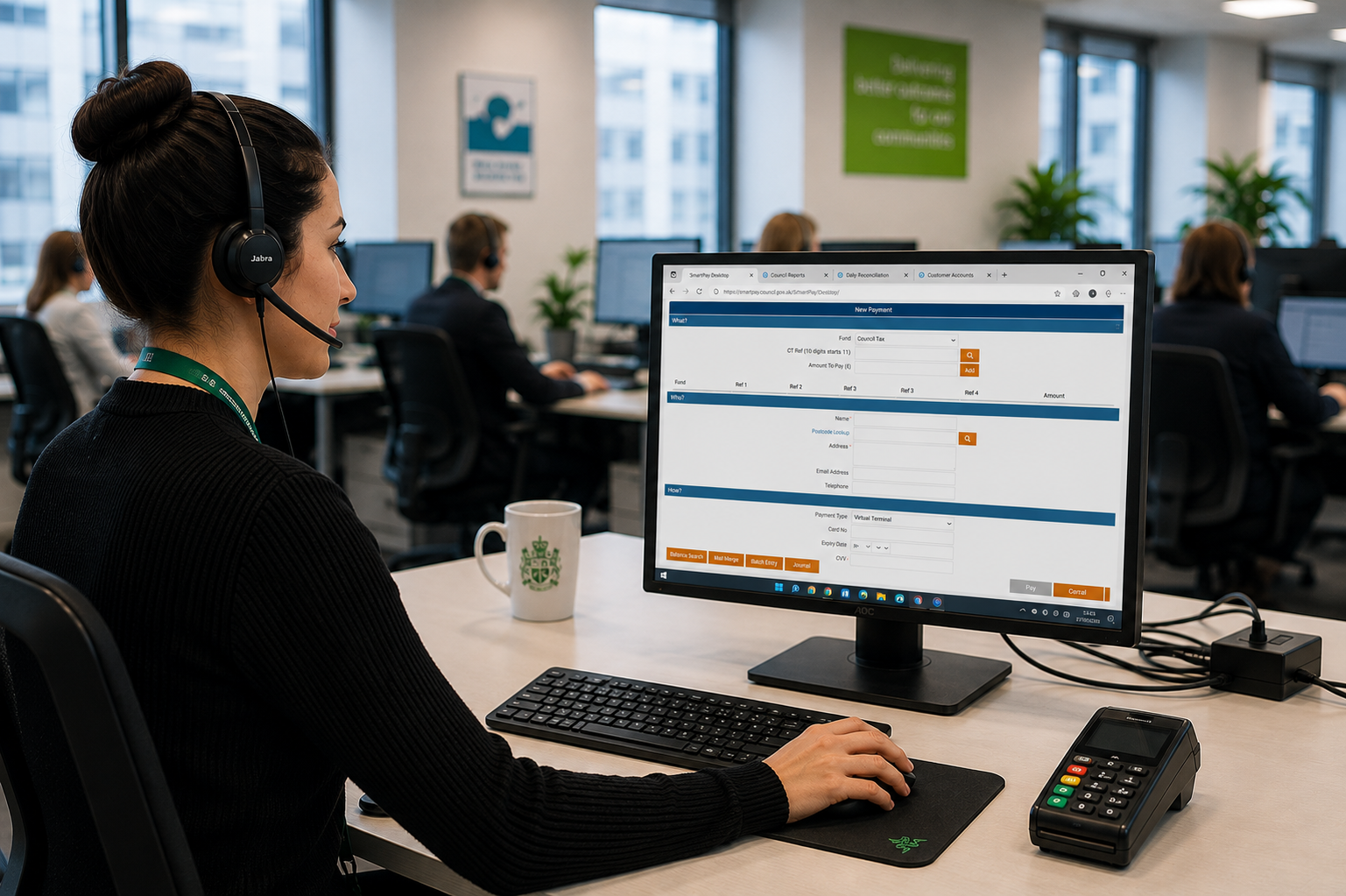
Councils often assume their payment security is covered, but PCI DSS compliance gaps tend to build up quietly across departments, suppliers, and channels. Here is where they usually hide, and what closes them.

Manual council income reconciliation costs far more than most finance teams recognise, particularly around month end, when transaction volumes are highest and reporting deadlines are closest together. Ask a council finance team how long reconciliation actually takes each month, and the answer is rarely a precise figure. It is usually something closer to “however long it needs to,” because the process tends to expand to fill whatever time is available. Where the time actually goes Reconciliation is often assumed to be a single task, but it is really several tasks stacked together. Bank statements are exported and reviewed line by line against income records. Payments are matched manually, one at a time, even though the majority of them are routine and unremarkable. Genuine exceptions, the handful of transactions that actually need investigation, are buried within a much larger volume of transactions that simply need confirming. This matters because the effort involved in reconciling a straightforward, correctly allocated payment is, in a manual process, almost identical to the effort involved in reconciling one that needs closer attention. Every transaction gets the same level of manual handling, regardless of whether it needs it. The risk sitting behind the time cost The time cost is the most visible problem, but it is not the only one. When reconciliation is manual and high-volume, errors, missed payments, and unusual transactions become harder to identify, simply because they are one line among many being reviewed at speed. A duplicate payment, a missed allocation, or an irregular transaction pattern can sit unnoticed for longer than it should, particularly during the periods when reconciliation is most rushed. For councils managing income across multiple bank accounts and multiple services, this risk compounds. Each additional account is another full manual review, and each additional service is another set of transaction patterns that finance staff need to hold in mind while working through the detail. What automated matching actually changes The shift from manual to automated reconciliation is not about removing finance team oversight. It is about applying that oversight only where it is genuinely needed. Automated matching clears allocated payments in a single step, whether that is a straightforward one-to-one match or the more complex one-to-many, many-to-one, and many-to-many matching that real-world reconciliation regularly requires. What remains for the finance team to review is the smaller set of genuine exceptions, the transactions that actually warrant a closer look, rather than the full transaction volume. This changes reconciliation from a task defined by volume to one defined by exception. A month with ten thousand transactions and a month with one thousand transactions require a similar amount of finance team attention, because the review effort scales with the number of exceptions, not the number of transactions. What this looks like for a council finance team in practice ● A rolling balance is maintained per bank account, so finance teams can track position without a full manual reconciliation each time ● Reconciliation extends across every bank account a council holds, filtered by payment date or posted date as needed ● Notes can be added and items archived without affecting overall totals, keeping a clear working record without disrupting the wider reconciliation ● Standard reports are available and can be copied and tailored to a council’s own reporting process, rather than requiring a reporting structure to be built from scratch Why this does not require a new system One of the more common assumptions about reconciliation improvements is that they require replacing existing systems or migrating data, which is often reason enough for the improvement to be deprioritised. Bank Reconciliation , as a SmartPay module, works directly within the SmartPay income records already in place, using the same secure access finance teams already have. There is no new system to learn and no migration project to plan around, which means the time saved on reconciliation is not offset by a lengthy implementation process to get there. Next step If reconciliation is currently taking longer than it should, particularly at month end, or if visibility across multiple bank accounts has become harder to maintain as transaction volumes have grown, it is worth seeing how automated matching changes that balance in practice. Contact the SmartPay team to Arrange a short demonstration of the Bank Reconciliation module, using examples relevant to your own reconciliation process.

Introducing new technology into a business with a mobile workforce requires more than just installing software. Here's Adelante's guide to implementing new software
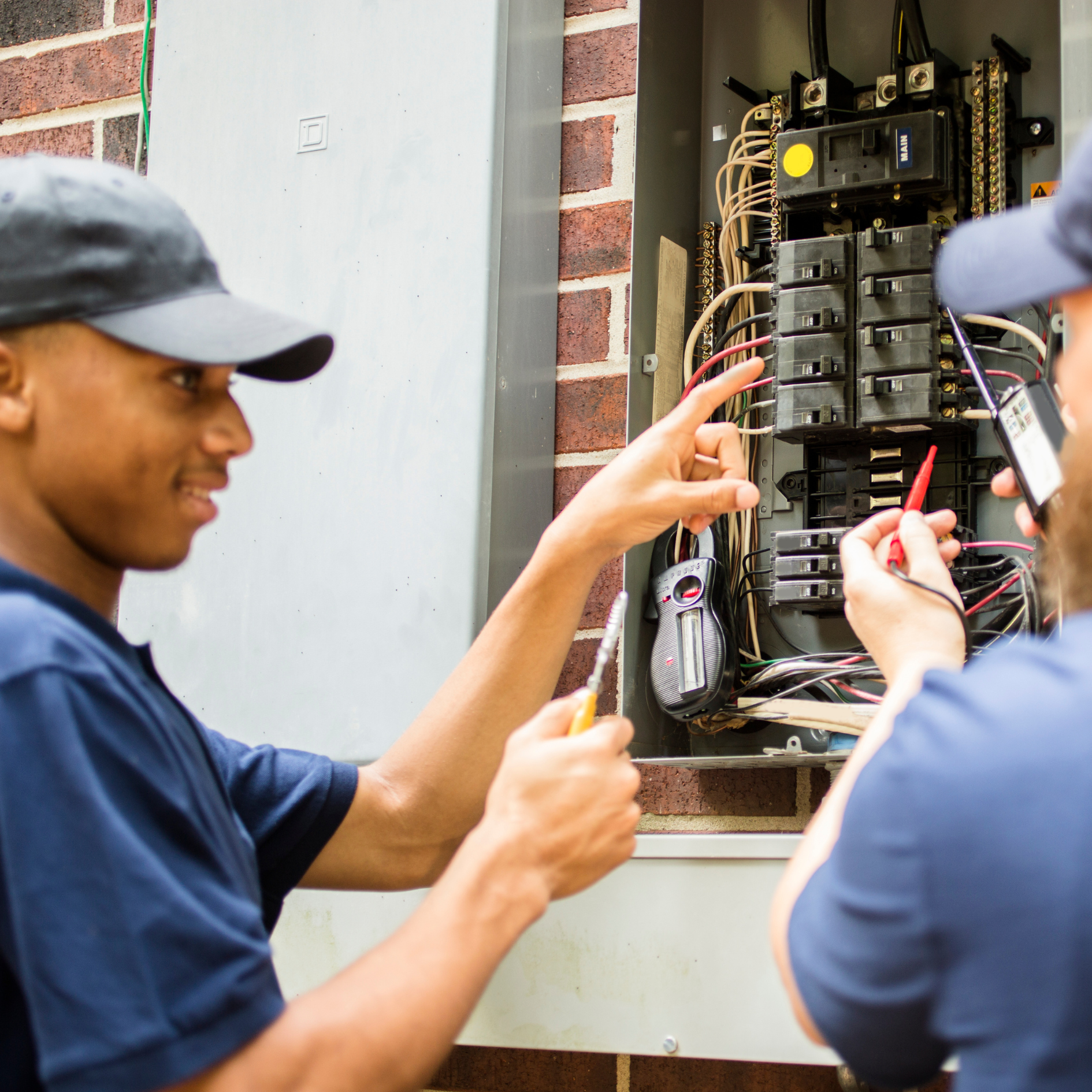
When you’re in the franchise business, the systems and technology you put in place are critical to success. Read how Adelante has the solution for you.

In the dynamic landscape of modern business, the popularity of mobile workforces is growing. Read how Adelante can help the growing mobile workforce.
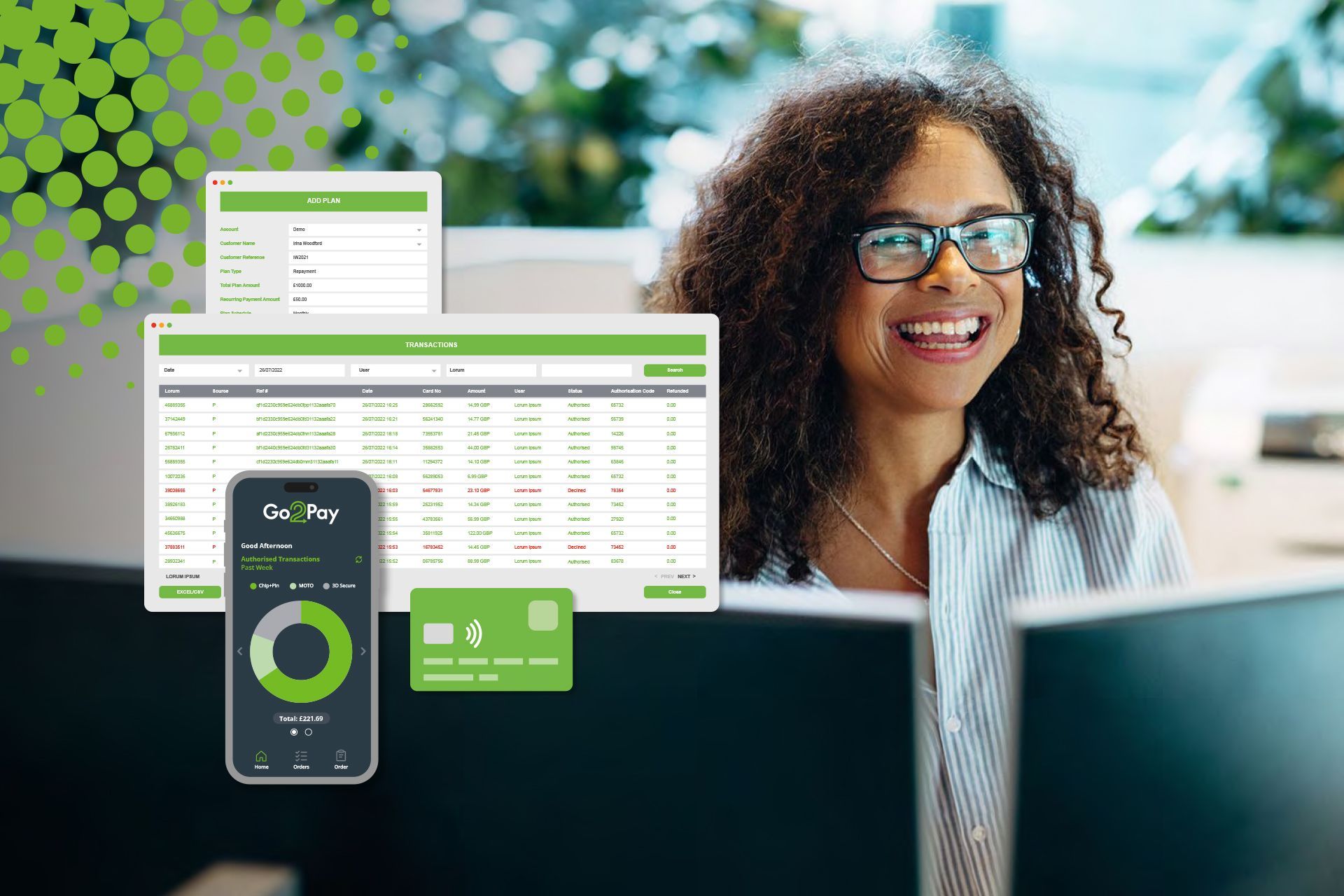
It’s been more than a quarter of a century since we first launched Adelante, and the world has changed significantly since then. So too, has Adelante.

Discover how mobile workforces powered by Adelante’s ConnectPay can boost efficiency, improve reporting, and enhance customer experiences through mobile payments.

From providing a smooth customer experience to ensuring accurate financial records, navigating the world of payments can be a complex task.

For local councils, an exceptional payment solution can create ripple effects across the business. Read here how Adelante can help

Failed and missed recurring payments cost growing businesses more than the transaction itself. Here is what that cost actually looks like, and how to reduce it.
Councils often assume their payment security is covered, but PCI DSS compliance gaps tend to build up quietly across departments, suppliers, and channels. Here is where they usually hide, and what closes them.
Manual council income reconciliation costs far more than most finance teams recognise, particularly around month end, when transaction volumes are highest and reporting deadlines are closest together. Ask a council finance team how long reconciliation actually takes each month, and the answer is rarely a precise figure. It is usually something closer to “however long it needs to,” because the process tends to expand to fill whatever time is available. Where the time actually goes Reconciliation is often assumed to be a single task, but it is really several tasks stacked together. Bank statements are exported and reviewed line by line against income records. Payments are matched manually, one at a time, even though the majority of them are routine and unremarkable. Genuine exceptions, the handful of transactions that actually need investigation, are buried within a much larger volume of transactions that simply need confirming. This matters because the effort involved in reconciling a straightforward, correctly allocated payment is, in a manual process, almost identical to the effort involved in reconciling one that needs closer attention. Every transaction gets the same level of manual handling, regardless of whether it needs it. The risk sitting behind the time cost The time cost is the most visible problem, but it is not the only one. When reconciliation is manual and high-volume, errors, missed payments, and unusual transactions become harder to identify, simply because they are one line among many being reviewed at speed. A duplicate payment, a missed allocation, or an irregular transaction pattern can sit unnoticed for longer than it should, particularly during the periods when reconciliation is most rushed. For councils managing income across multiple bank accounts and multiple services, this risk compounds. Each additional account is another full manual review, and each additional service is another set of transaction patterns that finance staff need to hold in mind while working through the detail. What automated matching actually changes The shift from manual to automated reconciliation is not about removing finance team oversight. It is about applying that oversight only where it is genuinely needed. Automated matching clears allocated payments in a single step, whether that is a straightforward one-to-one match or the more complex one-to-many, many-to-one, and many-to-many matching that real-world reconciliation regularly requires. What remains for the finance team to review is the smaller set of genuine exceptions, the transactions that actually warrant a closer look, rather than the full transaction volume. This changes reconciliation from a task defined by volume to one defined by exception. A month with ten thousand transactions and a month with one thousand transactions require a similar amount of finance team attention, because the review effort scales with the number of exceptions, not the number of transactions. What this looks like for a council finance team in practice ● A rolling balance is maintained per bank account, so finance teams can track position without a full manual reconciliation each time ● Reconciliation extends across every bank account a council holds, filtered by payment date or posted date as needed ● Notes can be added and items archived without affecting overall totals, keeping a clear working record without disrupting the wider reconciliation ● Standard reports are available and can be copied and tailored to a council’s own reporting process, rather than requiring a reporting structure to be built from scratch Why this does not require a new system One of the more common assumptions about reconciliation improvements is that they require replacing existing systems or migrating data, which is often reason enough for the improvement to be deprioritised. Bank Reconciliation , as a SmartPay module, works directly within the SmartPay income records already in place, using the same secure access finance teams already have. There is no new system to learn and no migration project to plan around, which means the time saved on reconciliation is not offset by a lengthy implementation process to get there. Next step If reconciliation is currently taking longer than it should, particularly at month end, or if visibility across multiple bank accounts has become harder to maintain as transaction volumes have grown, it is worth seeing how automated matching changes that balance in practice. Contact the SmartPay team to Arrange a short demonstration of the Bank Reconciliation module, using examples relevant to your own reconciliation process.
Introducing new technology into a business with a mobile workforce requires more than just installing software. Here's Adelante's guide to implementing new software
When you’re in the franchise business, the systems and technology you put in place are critical to success. Read how Adelante has the solution for you.
In the dynamic landscape of modern business, the popularity of mobile workforces is growing. Read how Adelante can help the growing mobile workforce.
It’s been more than a quarter of a century since we first launched Adelante, and the world has changed significantly since then. So too, has Adelante.
Discover how mobile workforces powered by Adelante’s ConnectPay can boost efficiency, improve reporting, and enhance customer experiences through mobile payments.
From providing a smooth customer experience to ensuring accurate financial records, navigating the world of payments can be a complex task.
For local councils, an exceptional payment solution can create ripple effects across the business. Read here how Adelante can help


Reconcile sales and income easily
Real time transaction visibility
Custom report building
Gateway & acquiring
Simple and efficient on-boarding
UK-based support team
PCI DSS Level 1 provider
